Source Chemical Extraction Fat Analyzer for Grain, Feed, and Food
Find a chemical extraction fat analyzer for grain, feed, and food testing. Compare 30 models from Chinese manufacturers featuring ISO and CE certifications, desktop structures, and automated recovery systems for precise laboratory analysis; compare the available evidence and request quotations based on your requirements.
Key considerations
Products List






Comprehensive Sourcing Guide
Chemical Extraction Fat Analyzer Sourcing Guide
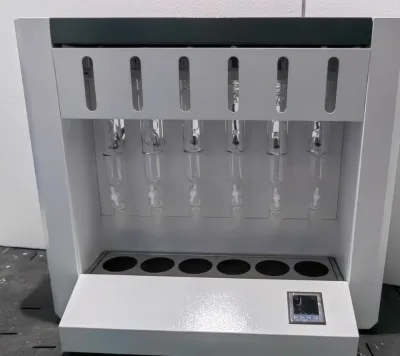
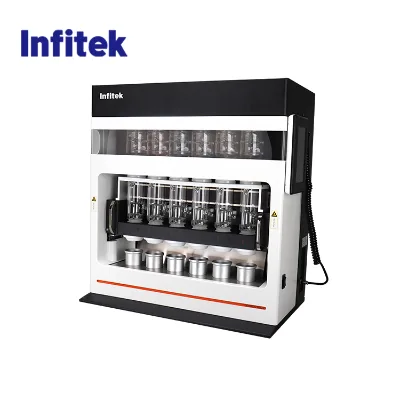
The chemical extraction fat analyzer serves as a critical instrument for laboratories requiring precise quantification of lipid content across diverse sample matrices. Based on observed market listings, these units typically employ the Soxhlet extraction method to separate fats from solid materials such as grain, animal feed, meat, and soil. Buyers should prioritize models that explicitly state their ability to handle multiple samples simultaneously, as this feature significantly impacts throughput efficiency in high-volume testing environments.
Procurement decisions must account for the specific operational constraints of the laboratory, including power requirements and physical footprint. The observed product data indicates a range of power supplies, with common configurations operating at 220V 50Hz and varying wattage between 500W and 1000W. Additionally, the physical dimensions and weight of the unit, often around 760x230x680mm and 25kg respectively, must align with available bench space and structural load limits within the facility.
Product Scope and Observed Listing Signals
Market listings for these analyzers reveal a distinct focus on automated solvent recovery systems, which are essential for maintaining laboratory safety and reducing operational costs. The observed data highlights a solvent reclaim rate of at least 80%, with some advanced models claiming recovery rates exceeding 99.9%. This variation suggests that buyers must carefully evaluate the specific efficiency claims of each unit to ensure they meet their environmental compliance and cost-reduction targets.
The scope of application extends beyond simple food analysis to include complex matrices like milk and soil, requiring robust temperature control ranges. Listings indicate heating capabilities that span from room temperature up to 100°C or even 280°C depending on the specific model configuration. Buyers should verify that the selected unit's temperature control range matches the specific extraction protocols required for their target samples to prevent thermal degradation or incomplete extraction.
Technical Specifications to Verify
Verification of the measuring range is a primary technical consideration, as observed listings show significant variation from 0.05% to 60% or even 0% to 100% depending on the model. The SZF-06A and SZF-06C models, for instance, demonstrate specific capabilities for measuring 1 to 6 samples simultaneously, which directly influences the unit's suitability for batch processing. Procurement teams must confirm that the stated measuring range and sample capacity align with the precision and volume requirements of their specific testing workflows.
Heating element composition and timing accuracy are critical factors that determine the reliability of the extraction process. The observed data specifies heating elements made of aluminum alloy with power ratings of 500W or 1000W, alongside timing ranges extending up to 9999 minutes. Buyers should scrutinize the temperature accuracy, often cited as ±0.3°C, to ensure that the thermal stability of the unit meets the stringent requirements of standardized analytical methods.
Compliance and Safety Documentation
Certification status is a non-negotiable aspect of the procurement process, with observed listings frequently citing ISO and CE compliance. The presence of ISO9001 standards and CE markings indicates that the manufacturer adheres to specific quality management and safety protocols, which is vital for international trade and regulatory acceptance. Buyers must request current certification documents to verify that the specific batch of equipment being purchased maintains these valid statuses.
Safety documentation must also address the handling of volatile solvents and the electrical safety of the heating components. The product descriptions mention automatic recovery systems and wooden packaging that meets export standards, suggesting a focus on safe transport and operation. However, buyers should explicitly request detailed safety manuals and risk assessments that cover solvent handling procedures, emergency shutdown protocols, and electrical grounding requirements for the specific voltage configuration of the unit.
Cost Drivers and Commercial Terms
The price range for these analyzers is substantial, observed between 100 and 7800 USD, driven largely by the complexity of the automation and the precision of the measurement systems. Higher-priced units typically feature advanced solvent recovery rates, wider temperature ranges, and multi-sample capabilities, whereas lower-cost options may offer manual or semi-automated functions. Buyers should correlate the price point with the specific technical specifications required for their application to avoid overpaying for unnecessary features or under-specifying for critical needs.
Commercial terms regarding delivery and minimum order quantities are generally favorable, with observed listings showing an MOQ of 1 unit and delivery times ranging from 3 to 10 days after payment. The variability in lead times suggests that buyers should confirm the specific production schedule and shipping method at the time of order placement. Additionally, the packaging requirements, often specified as wooden cases or pallets, should be factored into the total landed cost to ensure safe transit and compliance with import regulations.
Supplier Qualification and Quality Control
Supplier origin and manufacturing location play a significant role in the supply chain reliability, with observed data pointing to manufacturers in Zhejiang, Henan, and Zhengzhou in China. These regions are known for their industrial manufacturing capabilities, but buyers should verify the specific factory location to assess logistics costs and potential supply chain disruptions. Understanding the geographic origin helps in estimating shipping times and evaluating the supplier's familiarity with international export standards.
Quality control processes should be validated through the supplier's adherence to documented standards and their ability to provide traceable production records. The observed mention of ISO9001 standards implies a structured approach to quality management, but buyers must request evidence of in-house testing procedures and final inspection reports. Ensuring that the supplier has a robust quality assurance system in place is essential for minimizing the risk of receiving non-conforming equipment.
Long-Term Procurement Checks
Establishing a long-term relationship with a supplier requires a focus on after-sales support and the availability of spare parts. The complexity of the Soxhlet extraction method and the precision of the heating and recovery systems necessitate a reliable supply chain for maintenance components. Buyers should inquire about the warranty period, the availability of technical support, and the lead times for replacing critical parts like heating elements or sensors to ensure minimal downtime.
Future scalability and compatibility with evolving laboratory standards are also key considerations for long-term procurement. As testing regulations and sample types evolve, the analyzer must remain capable of meeting new requirements without requiring a complete system replacement. Buyers should assess the flexibility of the software and hardware to accommodate future upgrades or changes in testing protocols, ensuring the investment remains relevant over the lifespan of the equipment.
FAQs
What is the working principle of a chemical extraction fat analyzer?
The device operates using the Soxhlet extraction method to isolate fat content from various samples. It utilizes a weight difference approach to calculate results accurately. This standard technique ensures reliable data for grain, food, and feed testing. The system automatically recovers solvents to maintain efficiency and reduce operational waste during the analytical process.
Can the chemical extraction fat analyzer handle multiple samples simultaneously?
Yes, the equipment supports measuring one to six samples at the same time. This capacity allows laboratories to process batches efficiently without waiting for individual cycles. The design accommodates various sample weights, typically ranging from 0.5 to 15 grams. This feature significantly improves throughput for high-volume testing environments requiring consistent results.
What certifications do these chemical extraction fat analyzers hold?
Manufacturers typically provide units certified with ISO and CE standards. These certifications ensure compliance with international safety and quality management requirements. The products often meet ISO9001 standards for production quality. Buyers should verify specific documentation to confirm regulatory adherence for their regional laboratory operations and procurement needs.
How fast does the heating system reach the target temperature?
The heating element, often made of aluminum alloy, reaches the desired temperature within ten minutes. The temperature control range spans from room temperature up to 100 degrees Celsius or higher depending on the model. This rapid heating capability minimizes idle time and accelerates the overall extraction cycle for efficient laboratory workflows.
What is the solvent recovery rate for this equipment?
The recovery system is automatic and achieves a solvent reclaim rate of at least 80 percent. Some advanced models report recovery rates exceeding 99.9 percent. This high efficiency reduces solvent consumption and operational costs. It also supports environmentally friendly laboratory practices by minimizing chemical waste disposal requirements during routine fat analysis tasks.
Where are these chemical extraction fat analyzers manufactured?
These devices are primarily manufactured in China, with origins in Zhejiang and Henan provinces. Specific production hubs include Zhengzhou, which serves as a key industrial center for laboratory equipment. Buyers can source units directly from these regions, ensuring access to established manufacturing networks and export-standard packaging for international shipping.